Kakobuy Shoes for Long Commutes
Kakobuy Shoes for Long Commutes
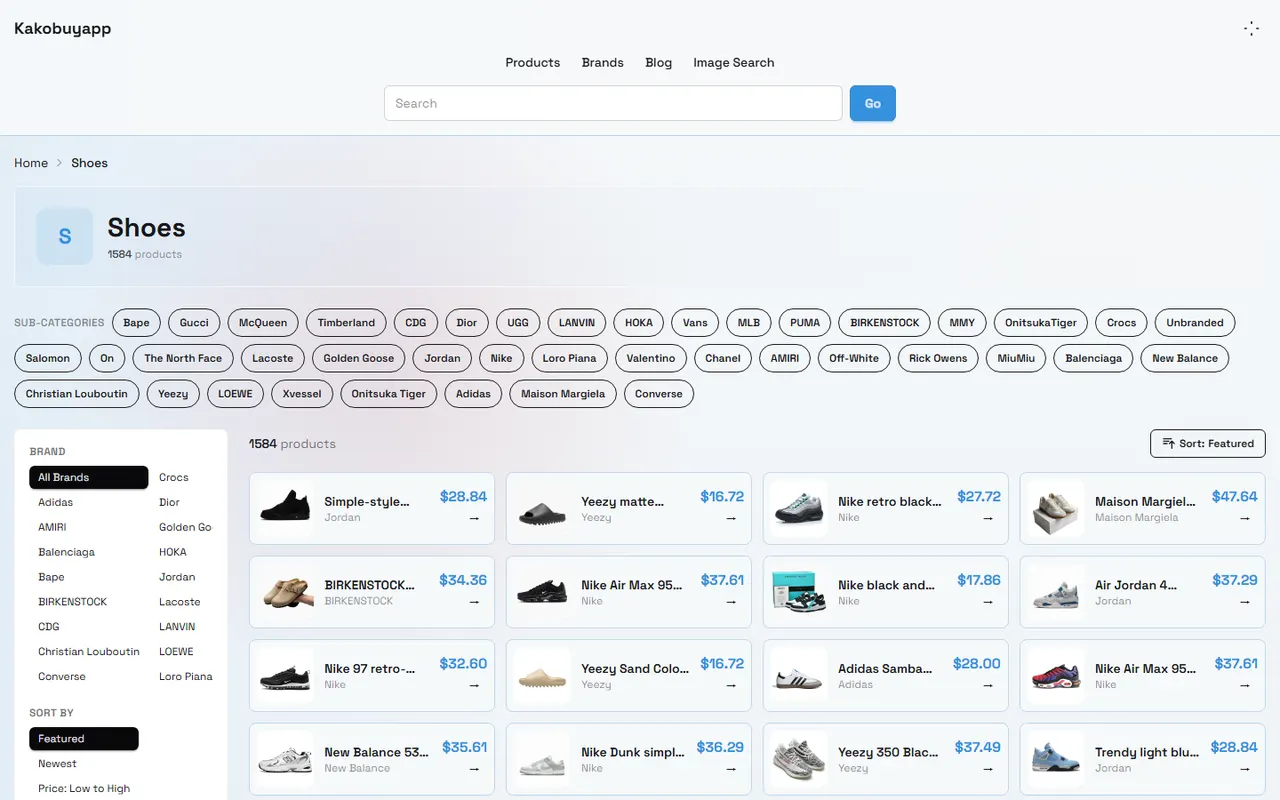
If you need to walk to transfers and stand for long periods every day, you can't just look at the appearance or product images when choosing athletic shoes. The specific problem this guide addresses is: how to filter out candidate shoes better suited for long standing and commuting on the kakobuy product page, based on sole, upper, size, and commute route information.
After reading, you should be able to do three things: record your commute conditions and wear duration, check the visible specifications on the product page, and verify sizing using the length of your existing insoles. This article does not apply to scenarios requiring professional orthopedic support, dealing with foot injuries, or where safety shoes or uniform shoes are mandatory. 🧭
Verification note: Platform processes and timeliness information are subject to the kakobuyapp.org page display before publication and at the time of ordering. This article takes an editorial perspective and does not represent that the editor has personally purchased, worn, or tested any shoe models mentioned.
First clarify the road surface and wearing duration for long-standing commutes
Instead of vaguely looking for the "most comfortable" shoes, break down "long standing" into comparable conditions.
How long you stand continuously each day: for example, how long you stand while waiting for the bus, in line, or at work.
How much you walk each day: focus on the proportion of hard surfaces, stairs, slopes, and outdoor surfaces.
Whether your commute environment often has rain, puddles, or crowding: this affects the upper, sole tread, and cleaning difficulty.
Whether you need to carry a computer or other items: when the load increases, sole stability and heel fixation become more important.
What problems your current shoes have: tight forefoot, heel rubbing, overly soft sole, slippery sole, or foot fatigue after walking for a long time.
If the main problem is foot pain, numbness, or persistent swelling, you should not rely solely on online shoe purchases to solve it; you should first consult appropriate medical professionals.
What shoe information should you prioritize on the kakobuy product page
When filtering Chinese products on kakobuy, first confirm whether the product page has clear product names, shoe images, size information, upper or sole descriptions, and verifiable details provided by the seller. Pages with incomplete information are not suitable as primary choices.
It is recommended to divide candidates into primary and backup, and record each item:
Shoe model name and specifications currently displayed on the product page.
Upper material, sole material, and whether thickness or structure is noted.
Foot length, internal shoe length, or other measurement methods in the size chart.
Shoe opening, laces, Velcro, or other fixation designs.
Sole tread, forefoot and heel shapes, and whether anti-slip related information is indicated.
Color, stock, seller shipping information, and page update time.
Prices, stock, sellers, shipping costs, and return/exchange conditions may change, so re-verify before publication and before ordering. Do not treat the visual effects in product images as proof of cushioning, anti-slip, or support performance. 🔎
When ordering through kakobuy, you usually need to consider product costs, domestic shipping within China, international shipping, and possible customs fees. International shipping depends on package weight, route, and destination, so you cannot judge the total cost solely based on the shoe's listed price.
Narrow down candidates based on sole structure and walking environment
Sole selection should follow the road surface, rather than pursuing an abstract "softness."
When there are more hard surfaces, prioritize comparing midsole thickness, forefoot-to-heel transition, and sole bending position. A sole that is too thin may make the foot feel the ground more directly, while an overly soft sole may reduce stability. When the product page does not provide material or structure information, mark this item as "to be confirmed."
When there are many stairs, slopes, or rainy road surfaces, focus on whether the outsole tread is continuous, whether the contact area is sufficient, and whether the page provides clear anti-slip instructions. Without actual friction test data, you can only write "page information shows" or "needs on-site verification," and cannot directly promise anti-slip.
When standing for long periods is required, sole stability and heel fixation are often as important as softness. You can observe whether the heel is significantly tilted, whether the sole is too narrow left to right, and whether the upper can maintain foot position. These details usually cannot be confirmed from front-facing product images alone.
If you need to switch between indoor floors and outdoor surfaces every day, the primary choice should prioritize overall stability, and the backup choice should differentiate based on a single need such as rainy weather, lightweight, or stronger ventilation. This makes it easier to explain your choice and reduces the risk of ordering based solely on appearance. 👟
Compare upper, shoe opening, and foot movement space
Upper material mainly affects ventilation, wrap, cleaning, and flex during wear. If the product page only says "breathable" or "comfortable" without structural, mesh, lining, or opening information, these adjectives are insufficient to support a clear judgment.
When comparing, check:
Whether the toe box has enough lateral space to avoid long-term compression of the toes.
Whether the shoe opening has obvious elasticity or thickening, and whether it may rub the ankle.
Whether the lace holes can adjust tightness, especially for high insteps.
Whether the heel has a fixation structure and whether it may slip easily when walking.
Whether the upper flex point corresponds to the forefoot movement area.
People with wide feet, high insteps, or different left and right foot sizes should not directly order their usual size. Last shape, upper elasticity, and sock thickness can all change actual fit. When the product page does not provide this information, retain greater uncertainty about sizing.
Verify fit using size information and existing insole length
The most practical approach is to measure a pair of shoes you already wear comfortably, rather than just remembering the size on the label.
Take out the insole and measure the length from the very end of the heel to the front.
Record the width of the insole at its widest point, and note whether the insole has a noticeable curve.
Wear the socks you commonly use for commuting, and measure the length of both feet while standing.
Compare with the product page size chart to confirm whether it uses foot length, internal shoe length, or external sole length.
If the product page provides seller measurement suggestions, focus your questions on foot length, internal shoe length, and last width.
Do not directly equate external sole length with usable internal shoe length. Differences in edging, lining, toe shape, and measurement methods between shoe models can cause variation. Also, do not blindly buy a larger size for "roominess," because oversized shoes may increase foot slippage inside the shoe, affecting stability and friction points.
In the kakobuy shopping process, size, color, quantity, and other appearance information are items that can be checked during inspection, but inspection is not equivalent to professional fit testing. After receiving warehouse photos or inspection results, you should still judge based on your measurement records whether you need to handle returns or exchanges under applicable conditions.
Which comfort judgments cannot be confirmed from product images alone
Product images can help you view style, structure, and labeling, but they cannot reliably prove the following:
Fatigue level after standing for several hours continuously.
Actual breathability in hot and humid environments.
True grip on rainy or smooth surfaces.
Whether the insole will move during walking.
Whether the shoe opening will rub on specific foot shapes.
Durability of the sole after long-term bending.
Therefore, judgments in this article should distinguish between "page-visible information" and "information that can only be verified after receipt." If the product page does not provide key specifications, list it as a risk rather than filling in the blanks with common athletic shoe impressions.
When purchasing through kakobuy, also pay attention to the current return/exchange rules and applicable restrictions displayed by the platform. Knowledge materials show that the platform has previously offered a no-reason return/exchange arrangement within a limited time after warehousing, but special items, custom items, intimate items, or items where packaging, tags, or accessories have been requested to be removed may not apply; actual conditions should be subject to the current page and order rules. 📦
Create a commute shoe checklist before ordering
Before ordering, you can save the following checklist and fill in "confirmed," "to be confirmed," or "cannot judge" for each candidate shoe.
[] Recorded daily standing time and main road surfaces.
[] Confirmed product name, shoe images, and seller information.
[] Found size chart and confirmed measurement basis.
[] Measured insole length and width of suitable old shoes.
[] Reviewed sole structure, tread, and explicit page descriptions.
[] Reviewed upper, shoe opening, laces, and heel fixation information.
[] Recorded current price, stock, and domestic shipping within China.
[] Estimated international shipping, customs fees, and other order costs.
[] Confirmed destination country import restrictions, tax responsibilities, and required documents.
[] Reviewed current return/exchange conditions and exclusions.
[] Confirmed the scope of warehouse inspection and not treating it as a wear test.
If multiple key items are missing from the page, do not replace evidence with "many reviews" or attractive images. A safer approach is to downgrade it to a backup and continue looking for pages with clearer specifications.
Finally keep a primary and backup choice and re-verify specifications
In the end, it is recommended to keep only one primary and one backup shoe. The primary should best match your main commute scenario, and the backup should address a clear alternative need, such as better for rainy weather, wider toe box, or lighter weight. Do not accumulate too many candidates, as it will make size, stock, and total cost re-verification difficult.
Both primary and backup should have their product page information re-checked before submitting the order. If the page changes in price, stock, size, seller, or shipping, re-record it; do not rely on old screenshots or notes.
From a cost perspective, choosing a shoe with clearer specifications and easier size verification may reduce secondary purchases, returns, and extra shipping costs due to poor fit. The trade-off is that you may give up a more attractive candidate with insufficient information. This method is more suitable for people who value commute stability, are willing to measure foot length, and can accept pre-order verification; it is not suitable for people who need to buy immediately, cannot confirm size, or need professional foot support.
If you decide to order through kakobuy, follow the current platform process to complete product purchase, warehouse inspection, necessary returns/exchanges, consolidation or separate shipping, route selection, and logistics tracking. Declare truthfully during customs clearance, bear possible taxes and documentation requirements according to destination country rules, and do not reduce surface costs through under-declaration, splitting orders to avoid taxes, or evading inspection. ✈️
Agent platform shopping FAQ
1. What kinds of goods are listed in the spreadsheet on kakobuy?
The kakobuy spreadsheet includes items such as footwear, clothing, bags, fashion accessories, jerseys, perfumes, caps, scarves, belts, and a variety of household essentials.
Browse our latest products and find your next favorite item.